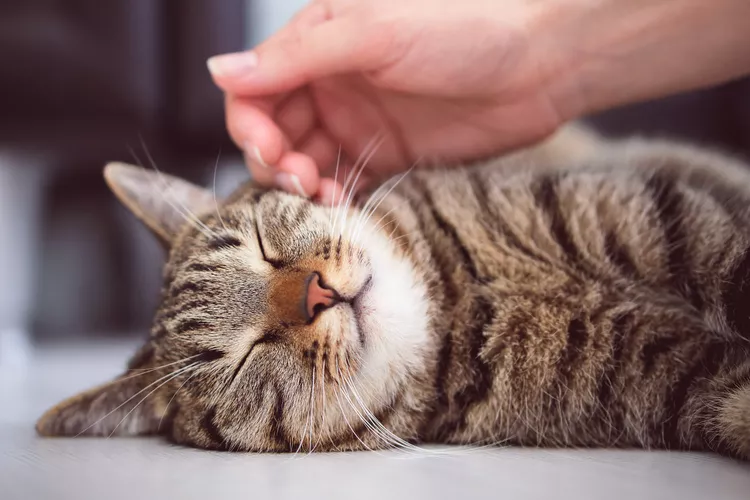
Many cats enjoy the feeling of being pet by people, a fact that pleases cat lovers everywhere. It is well known that petting cats can reduce stress and even lower blood pressure in humans, and it may also reduce stress in some cats. Of course, some cats dislike petting and will hiss, growl, swat, or bite when someone tries to pet them. There are several reasons cats can be so opinionated about petting.
Most cats are relatively social animals that communicate with other cats by nuzzling, rubbing, and grooming one another. These actions send pheromones to other cats that help them identify each other and communicate. Cats prefer to communicate with humans on their own terms. They know we are not cats, but they sometimes communicate with us as if we were.
Many cats' love of physical touch comes from kittenhood. Mother cats lick and groom their kittens to nurture them and keep them clean. The love hormone oxytocin surges in the mother and kittens during these actions, making the experience pleasant and comforting. Petting from humans mimics the sensation of being groomed and can provide the same pleasurable experience.
Bunting (nuzzling and rubbing on you) is one way cats show love to you. Petting is a way to return that love. Cats also enjoy petting because it feels really good to them. However, some cats prefer to be pet very little or at all.
Some cats resist handling of any kind, including petting. This may simply be a personal preference for some cats. In other cases, it may mean the cat was orphaned at a young age or was not socialized with other cats or humans. Feral cats avoid human interaction entirely because they were raised in cat colonies that involve little to no interaction with humans. They learn to fear and avoid humans. Some feral cats can become domesticated enough to live with humans, but they may never accept petting.
Some cats may seem fickle. One second, they act like they are enjoying petting, and the next second they are hissing, growling, swatting, or snapping. One possible reason is that the cat may not like the specific area being pet. Often, it means the cat has reached a threshold for petting. Experts call this overstimulation aggression or petting-induced aggression.
There are right and wrong ways to pet a cat, but it ultimately depends on the needs and wants of the specific cat. Many cats tolerate or enjoy petting from trusted people but resist petting from strangers. This is because it requires a certain level of trust for a cat to feel safe in a vulnerable position.
Allow the cat to sniff you and watch you before you attempt to pet them. Sitting down is a good way to show you are not a threat. Keep your hands relaxed near the cat's level, but don't reach out too close to the cat. The cat may rub or nuzzle your hand, a sign that they may tolerate gentle petting.
All cats are different, but there are a few general guidelines when it comes to petting locations. Cats seem most comfortable with gentle pets on the sides of the face. They may even push against you in response if they are enjoying the attention. You can slowly move your head along the sides of the neck and shoulders. Many cats will move to guide you to where they want to be pet. If the cat knows you and trusts you, they may enjoy being petted along their back and along the tail.
Cats are typically less tolerant to strangers petting them along the back, so avoid this if you are not closely bonded with the cat. While petting cats, watch for communication signals and body language. Stop petting the cat if they become tense or arch their back away from you. When in doubt, stop what you are doing and let the cat make the next move.
What to Do if Your Cat Is Snoring
Cat snoring can happen for several reasons. Find out if your cat's snoring is normal or caused by a medical issue. Know when to call the vet about your cat snoring.
Turkish Angora: Cat Breed Profile, Characteristics & Care
The elegant and silky Turkish Angora cat is a playful, affectionate, and sometimes mischievous pet. Learn about the Turkish Angora breed.
Toyger: Cat Breed Profile, Characteristics & Care
The toyger (toy tiger) cat is a beautiful, rare breed with an easygoing demeanor. These cats are hard to come by but make excellent pets.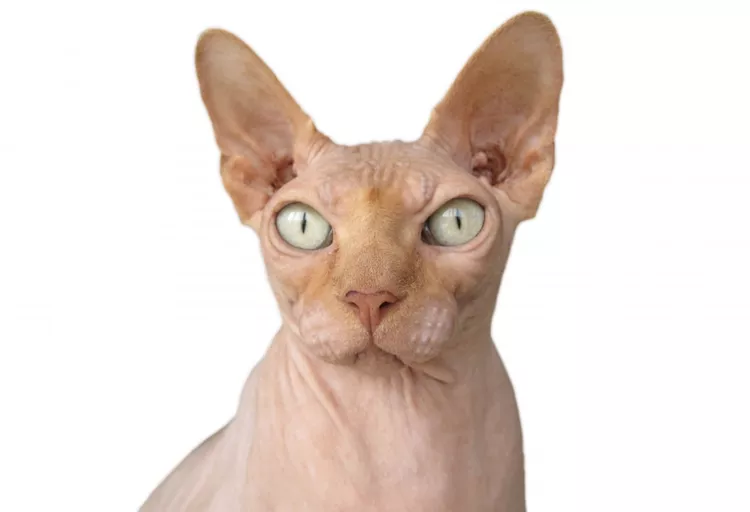
Donskoy: Cat Breed Profile, Characteristics & Care
Donsky cat, or Don Sphynx, is a hairless cat that's known for being affectionate, social, and remarkably intelligent. Learn more about the Donsky cat breed.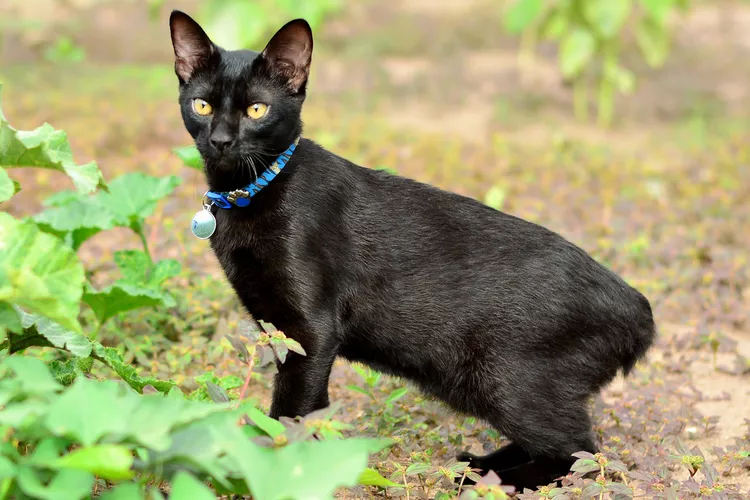
Japanese Bobtail: Cat Breed Profile, Characteristics & Care
The Japanese bobtail is recognized for its bunny-like tail and is loved for its friendly, playful personality. Learn about the Japanese bobtail breed.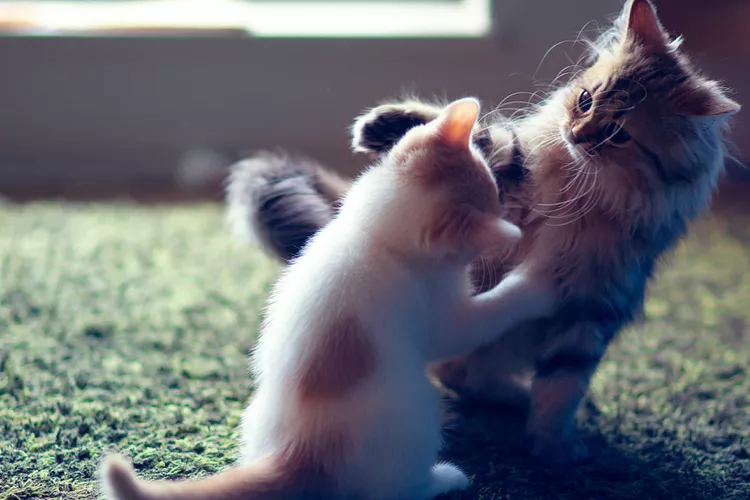
How to Stop Cat Aggression After a Vet Visit
Cats are usually out of sorts and ornery after a trip to the veterinarian. Learn how to stop cat aggression by planning ahead with these tips.
Why Do Cats Like High Places?
Does your cat like to hang out on top of tall furniture? Here's why cats like high places.
Rectal Prolapse in Dogs
Rectal prolapse in a dog can be an alarming thing to see. Find out why this happens, how to prevent it, and how to heal dog prolapse at home.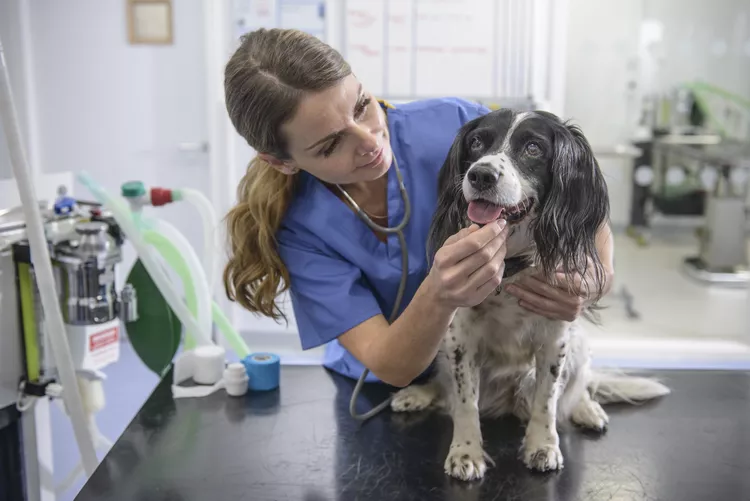
Is Acetaminophen Safe for Dogs?
Acetaminophen is used by humans for pain and fever relief, but is it safe for dogs? Here's what you need to know before giving your dog acetaminophen.
Dog Broken Toe: Signs and Treatment
Dogs can break their toes for several reasons. Find out how to tell if your dog has a broken toe. Learn what you need to do and what restrictions your dog may have to let a broken toe heal.
Tetanus in Dogs
Tetanus is an infection caused by bacteria found in soil. It can cause severe symptoms in dogs and even lead to death if not treated promptly.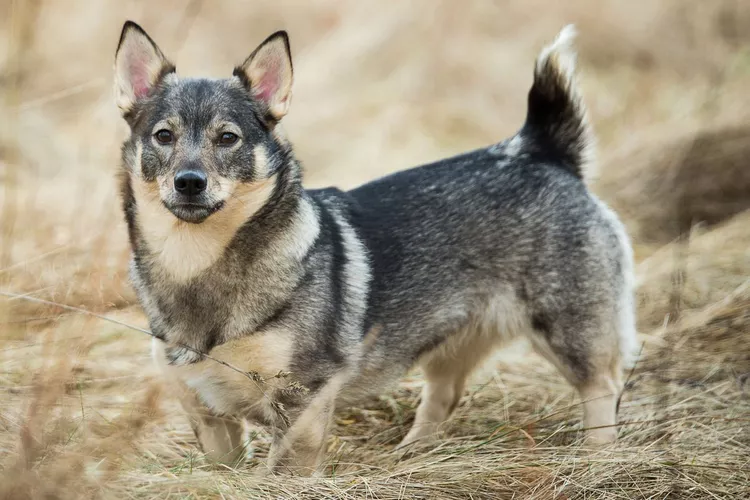
Swedish Vallhund: Dog Breed Characteristics & Care
The Swedish vallhund makes for a high-energy and affectionate companion. Learn about the breed's history, health, exercise needs, and more.
Afghan Hound: Dog Breed Characteristics & Care
The Afghan hound is a majestic dog breed, known for its luxurious long coat and sweet personality. Learn about cost, care, and training needs.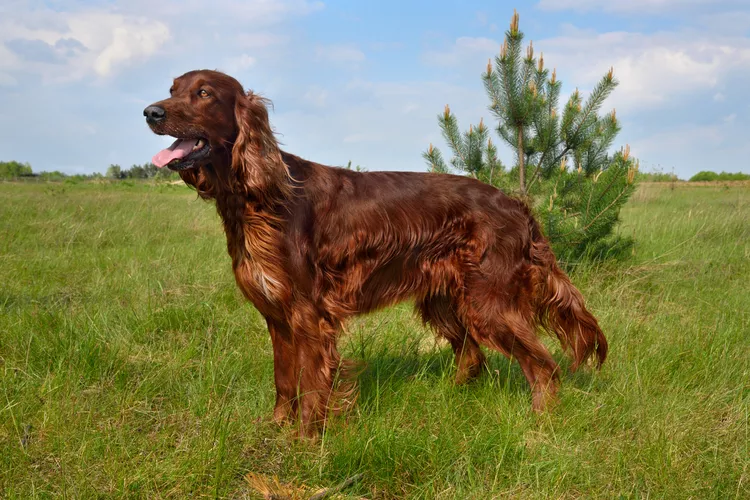
Irish Setter (Red Setter): Dog Breed Characteristics & Care
The Irish setter, also known as the red setter, stands out from the crowd with their striking red coat and athletic nature. Learn about this gentle and affectionate dog breed.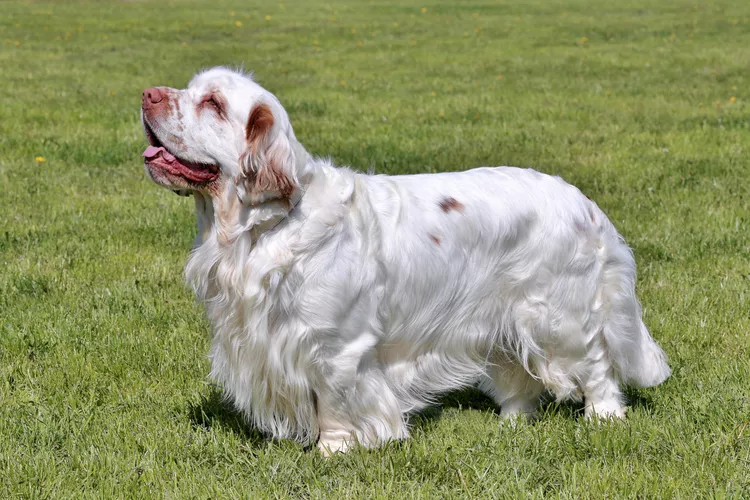
Clumber Spaniel: Dog Breed Characteristics & Care
The Clumber spaniel is a friendly, calm dog and a great family pet who gets along with kids. Just beware of this rare breed's shedding and drool.
Reasons Why Dogs Grind Their Teeth
Some dogs grind their teeth. Learn why dogs grind their teeth and if it can be harmful. Find out what to do about teeth grinding in dogs.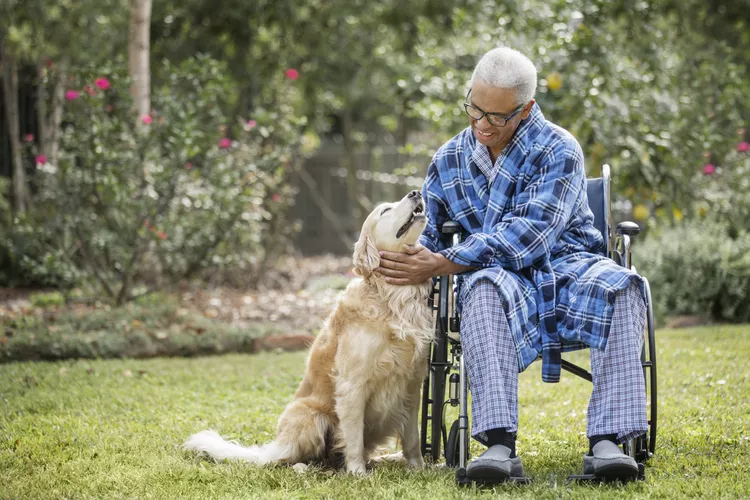
Therapy Dog Certification: A Complete Guide in 6 Steps
Could your dog be trained to serve as a therapy dog? Here's how you and your dog can become an official animal-assisted therapy team.
Here’s How to Stop Your Dog from Jumping on You When Excited
Although it can be cute the first few times your dog jumps on you, it can quickly turn into a bad habit, especially if your pooch starts jumping on strangers. Here’s how to stop your dog from jumping on you when excited.
Why Do Dogs Howl at Sirens?
Howling at sirens is something that dogs are well known for, but why do some dogs do it while others seem unbothered?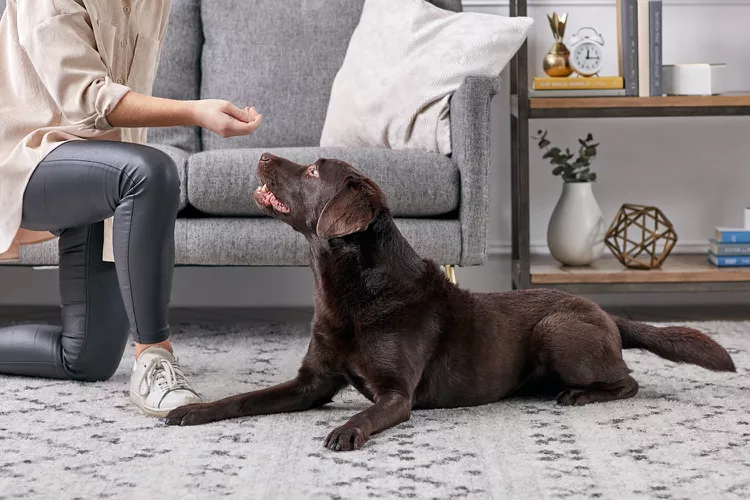
How to Train a Labrador Retriever
Proper training is an essential part of owning a Labrador retriever. These smart dogs can be trained to be service dogs, hunters, and excellent companions.