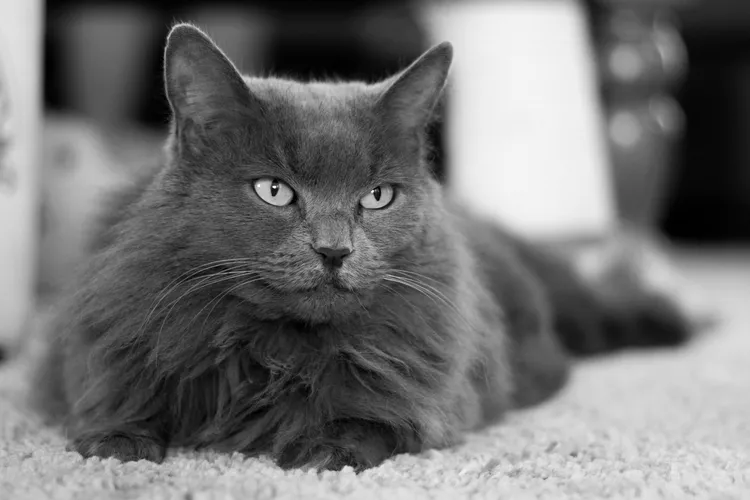
The Nebelung is a new and relatively rare breed that has trademark features, such as medium-length fur that's a bluish gray with a silvery sheen and large green eyes. Developed in the United States during the 1980s, their name comes from the German word "Nebel," which means mist or fog. They are sometimes referred to as a long-haired Russian Blue, but although the two cat breeds are related and similar in appearance, they are not the same.
Nebelung cats can be shy in new situations or with new people, and prefer a home without too much noise or tumult. However, once they warm up to their humans, they are affectionate, intelligent, and loving pets that tend to bond to one or two family members.
Personality: Shy at first, intelligent, affectionate, playful, and easy going
Weight: 10 to 15 pounds
Length: 14 to 16 inches
Coat Length: Medium-long hair
Coat Color: Bluish-grey with silver tips
Coat Patterns: Solid
Eye Color: Green or Yellow-Green
Lifespan: 15 to 18 years
Hypoallergenic: No
Origin: United States
The Nebelung is a friendly and affectionate cat, but often takes a while to warm up to new people. Although they are loving and loyal with those they know, they can be a little reserved, and sometimes even aloof, with strangers. It is not unusual for them to hide away when people are visiting the house.
Once he or she is settled into their home, however, a Nebelung tends to be very devoted to family members, often following them from room to room. This is a feline that enjoys a lap cuddle and plenty of petting, but is also able to spend time on their own. While they can learn to enjoy calm children or other household pets that aren't too rambunctious, this isn't the right breed of cat for a very loud or boisterous household.
The Nebelung is a very new breed of cat and still quite rare. Nebelung means 'creature of the mist' in German, as a nod to their beautiful, shiny silver-blue coat. Despite the German name, the breed originated in the United States.
In the early 1980s, the breed's founder, Cora Cobb, gifted her son a female black domestic short-hair cat. When this cat mated with a short-haired blue-furred male that looked much like a Russian Blue, it resulted in a litter of six kittens, one of which was a male with long blue-gray fur. Cora was taken with this cat and kept him. A short while later, a female kitten of the same type resulted.
Cora started a breeding program and over the next decade, steadily bred the cats while using Russian Blue cats as "outcrosses" to increase the genetic diversity of the new breed. The Nebelung was given status as an entirely new breed by The International Cat Association in 1987 and then, later, the American Cat Fanciers Association. This breed has yet to be formally recognized by the Cat Fanciers Federation or the overall Cat Fanciers Association, though.
Nebelungs are known to thrive on routine, and lots of changes can often make them feel unsettled and anxious. This aspect of their personality, combined with their reserved nature around strangers, means that they benefit from early and ongoing socialization to help minimize the chances of them becoming overly shy or nervous.
Nebelung cats are known for being very gentle and undemanding, but they also have a playful side. You should make sure you have lots of appropriate toys and other forms of enrichment around the house to keep your feline stimulated, exercised, and entertained. If you start while your cat is young, you can train your Nebelung to walk on a leash, which is a great way to provide extra exercise, relieve boredom, and spend quality time with your pet.
The Nebelung's long, double coat can take up to two years to come in fully. They are not prolific shedders, but their coat will require regular weekly grooming to ensure that it does not become matted or tangled. Use a brush designed for long-haired cats to prevent damage to your feline's silky fur.
Like any cat, your Nebelung will benefit from regular nail trimming, teeth brushing, and veterinary checkups and vaccinations.
Nebelung cats do not have any known tendency towards any specific health conditions, but like any cat, may develop a health condition or illness during their lifetime. As a general rule, however, Nebelung cats are long-lived and often reach the age of 18 or even older.
It is important to ensure that you do not overfeed your pet. Obesity in cats is common, and it can lead to a lot of related health conditions, including diabetes and arthritis. Nebelungs can be fussy eaters, but once they find a food they like, they can easily become overweight if allowed to eat too much.
The Nebelung is a medium-sized cat with a long, muscular, agile body. The breed has medium-length, dense fur that is a blue-gray in color, usually with silvery tips. These cats have a long, plumed tail that balances their long bodies and adds to their overall delicate beauty. There should be no patches of white or other colors on the cat's body, although the fur behind the cat's ears can be a lighter blue than the rest of the coat. Male Nebelungs sometimes have a thicker ruff of fur around their necks.
The ears of the Nebelung are rather large in proportion to their head, and are set far apart, which gives the cat a very alert appearance. The eyes are large and wide-set. Eye color can range from yellowish-green to emerald green, but the breed standard states that the greener, the better.
It typically takes a Nebelung cat around two years to reach full maturity. While these cats do shed less than some other breeds, they are not hypoallergenic cats.
Like all cats, Nebelungs require a diet that is high in protein, moderate in fats, and low in carbohydrates. They should be fed a high-quality cat food formulated for their age—for example, kitten, adult, or senior. Your cat should always have access to fresh water.
Most adult cats do well with two meals per day, while kittens need more frequent, but smaller, meals. You can feed your pet an all-kibble diet, feed only wet food, or offer both, but don't allow your cat to overeat.
Because they are a new and rare breed, you will probably have to wait to secure a Nebelung from a reputable breeder. You could also have to travel further afield to find one. The rarity of this breed means it is very unlikely you'll find one at a shelter or rescue.
The Russian Blue is a more common breed, though, and you may be able to find this shorter-haired cat with a similar personality in a cat rescue somewhere across the country or even locally.
As with any breed of cat, attending a cat show can be a good way to find breeders, as well as see a particular cat breed in person.
The Nebelung is a beautiful, blue-gray cat with medium-length fur and large green eyes. These shimmery and delicate-appearing animals are loyal and devoted pets to their preferred family members, but can be shy with strangers or with children or animals who are too rambunctious. They are active and curious cats with a high level of intelligence, but they also enjoy giving affection to and receiving affection from their humans.
Nebelungs are content to spend time on their own, and easily tolerate a separation while their owner is at work or away for the day, but they do not enjoy being left alone for much more than that.
Forms strong bonds with owners
Well-suited to apartment living
Intelligent and playful
Become nervous if under-socialized
Need a routine
Rare and expensive
If you want to learn more about other cats similar to the Nebelung, why not look into one of the following:
There are lots of wonderful cat breeds out there, and with a little research, you can find one that will be best suited to your home and lifestyle.
While Nebelung cats do look like long-haired versions of the Russian Blue, and the two do share genetic history, they are separate breeds with separate breed standards.
All Nebelung cats have a blue-gray coat. They will not have any other colors on their body.
Like other rare breeds of cat, you will spend quite a bit more for a purebred Nebelung than for a domestic shorthair from the local shelter. Depending on the breeder, the quality of the cat, and the location, you might spend several hundred dollars to over $1,000 for a purebred Nebelung kitten.
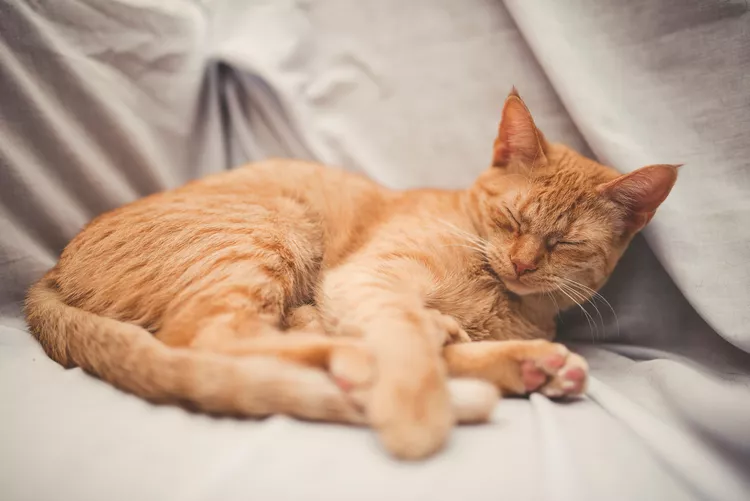
What to Do if Your Cat Is Snoring
Cat snoring can happen for several reasons. Find out if your cat's snoring is normal or caused by a medical issue. Know when to call the vet about your cat snoring.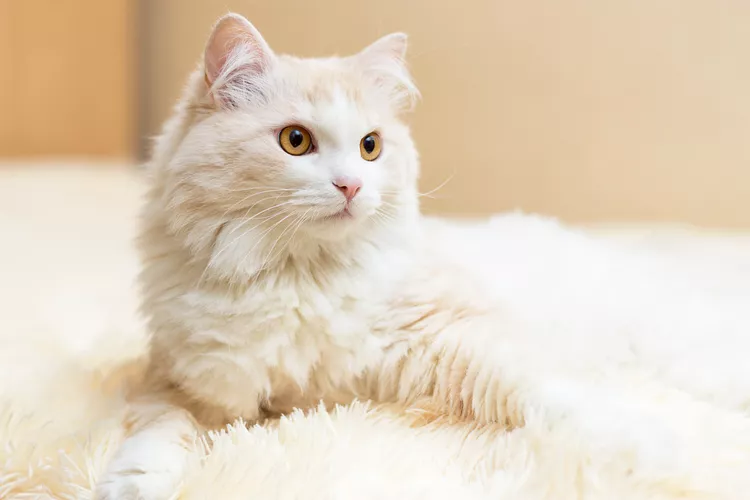
Turkish Angora: Cat Breed Profile, Characteristics & Care
The elegant and silky Turkish Angora cat is a playful, affectionate, and sometimes mischievous pet. Learn about the Turkish Angora breed.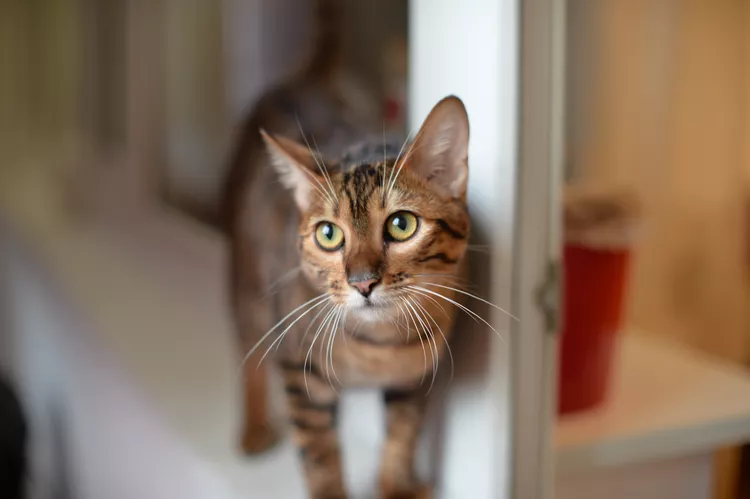
Toyger: Cat Breed Profile, Characteristics & Care
The toyger (toy tiger) cat is a beautiful, rare breed with an easygoing demeanor. These cats are hard to come by but make excellent pets.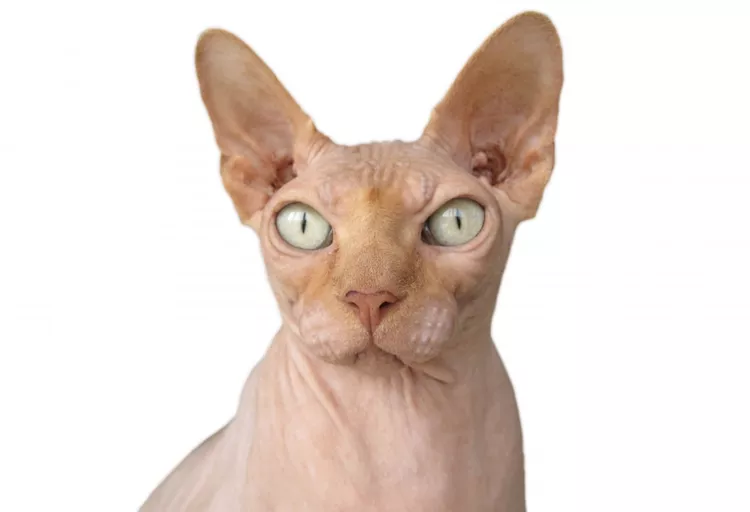
Donskoy: Cat Breed Profile, Characteristics & Care
Donsky cat, or Don Sphynx, is a hairless cat that's known for being affectionate, social, and remarkably intelligent. Learn more about the Donsky cat breed.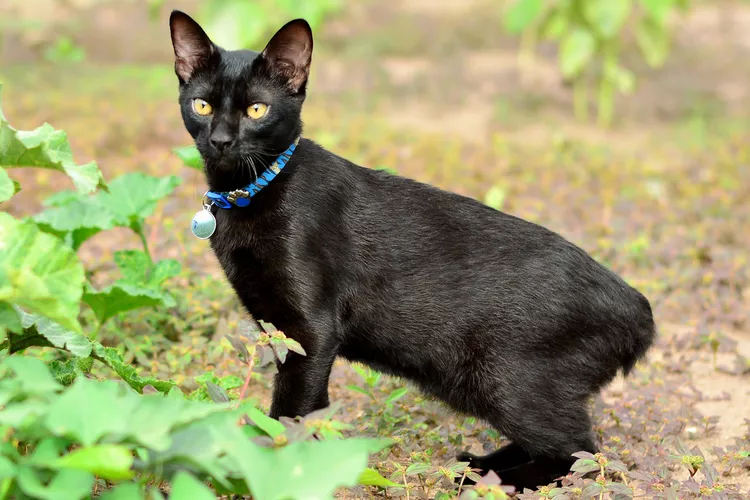
Japanese Bobtail: Cat Breed Profile, Characteristics & Care
The Japanese bobtail is recognized for its bunny-like tail and is loved for its friendly, playful personality. Learn about the Japanese bobtail breed.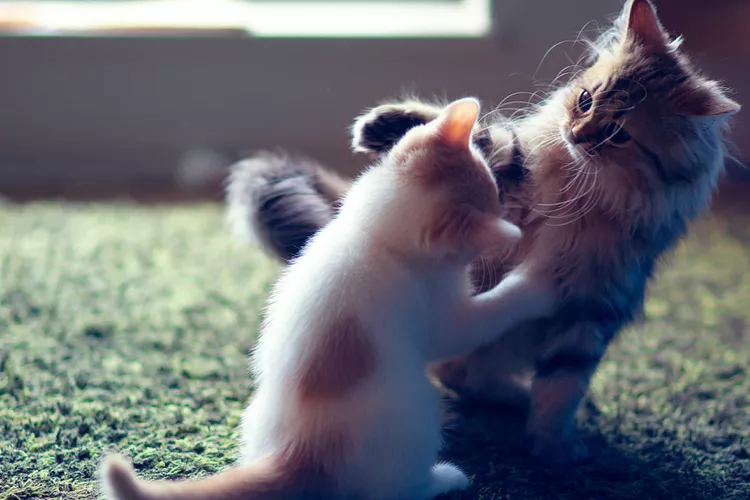
How to Stop Cat Aggression After a Vet Visit
Cats are usually out of sorts and ornery after a trip to the veterinarian. Learn how to stop cat aggression by planning ahead with these tips.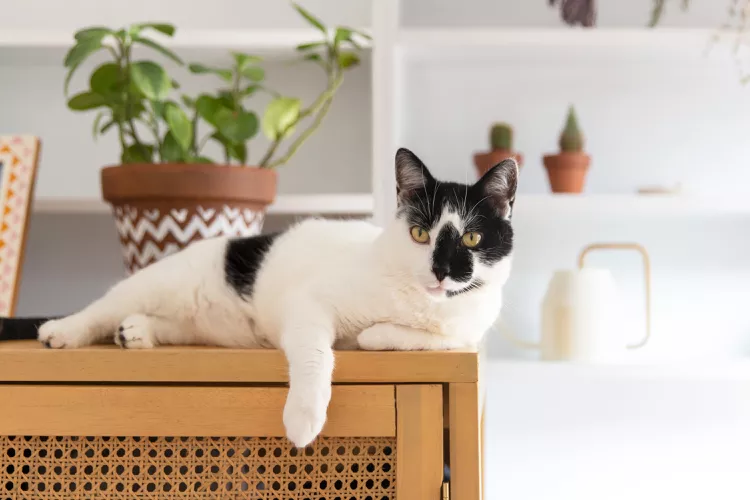
Why Do Cats Like High Places?
Does your cat like to hang out on top of tall furniture? Here's why cats like high places.
Rectal Prolapse in Dogs
Rectal prolapse in a dog can be an alarming thing to see. Find out why this happens, how to prevent it, and how to heal dog prolapse at home.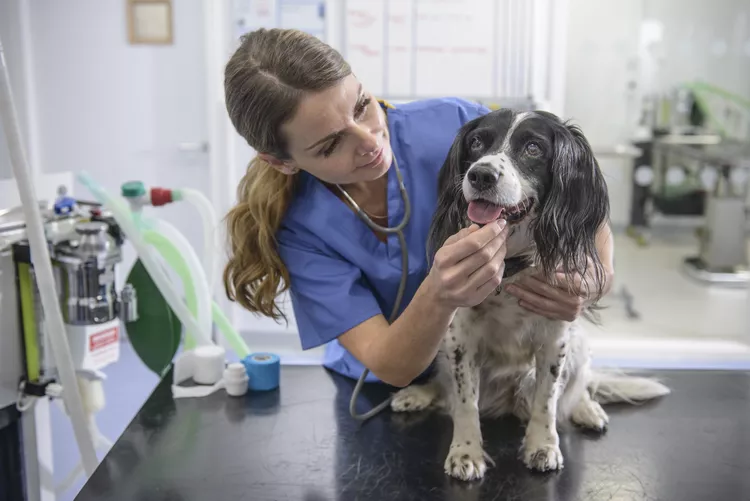
Is Acetaminophen Safe for Dogs?
Acetaminophen is used by humans for pain and fever relief, but is it safe for dogs? Here's what you need to know before giving your dog acetaminophen.
Dog Broken Toe: Signs and Treatment
Dogs can break their toes for several reasons. Find out how to tell if your dog has a broken toe. Learn what you need to do and what restrictions your dog may have to let a broken toe heal.
Tetanus in Dogs
Tetanus is an infection caused by bacteria found in soil. It can cause severe symptoms in dogs and even lead to death if not treated promptly.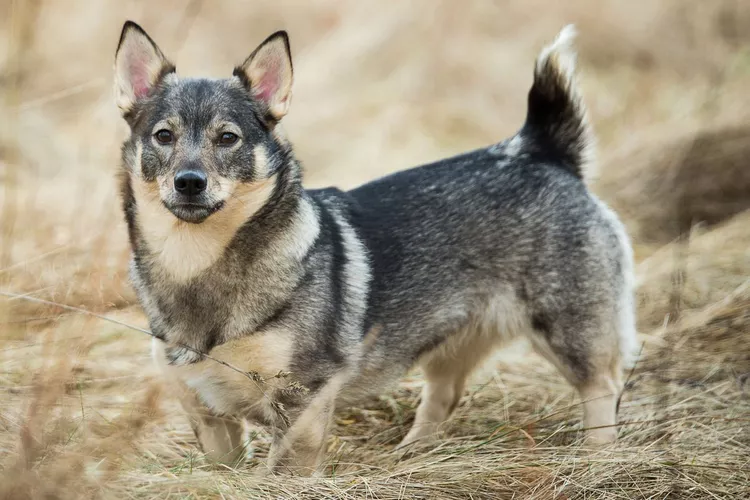
Swedish Vallhund: Dog Breed Characteristics & Care
The Swedish vallhund makes for a high-energy and affectionate companion. Learn about the breed's history, health, exercise needs, and more.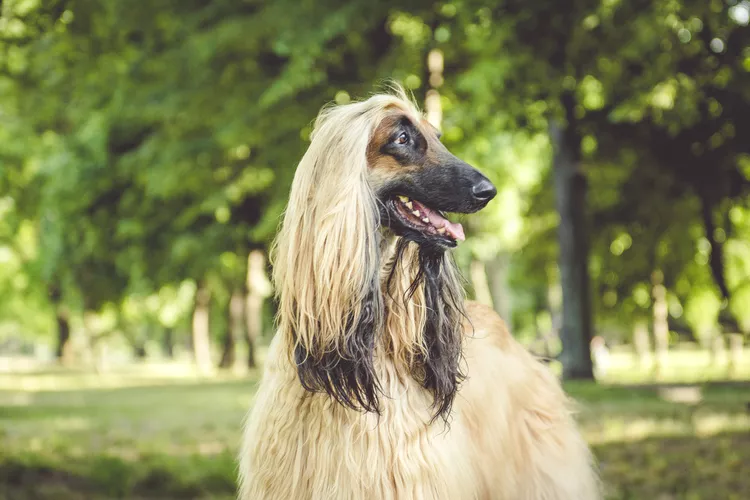
Afghan Hound: Dog Breed Characteristics & Care
The Afghan hound is a majestic dog breed, known for its luxurious long coat and sweet personality. Learn about cost, care, and training needs.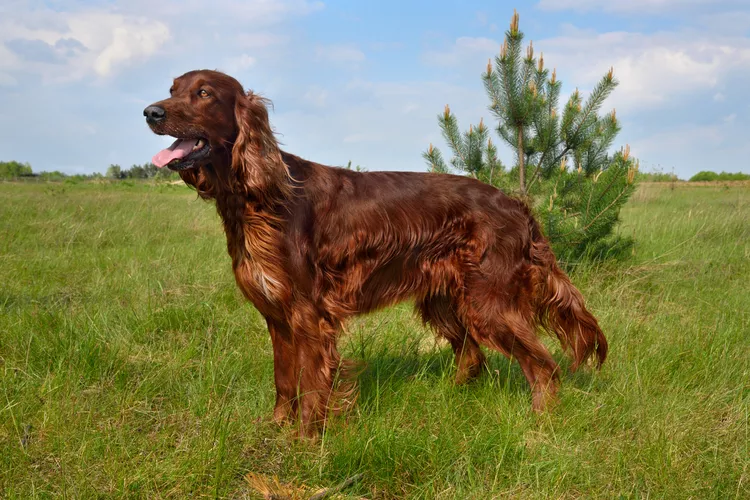
Irish Setter (Red Setter): Dog Breed Characteristics & Care
The Irish setter, also known as the red setter, stands out from the crowd with their striking red coat and athletic nature. Learn about this gentle and affectionate dog breed.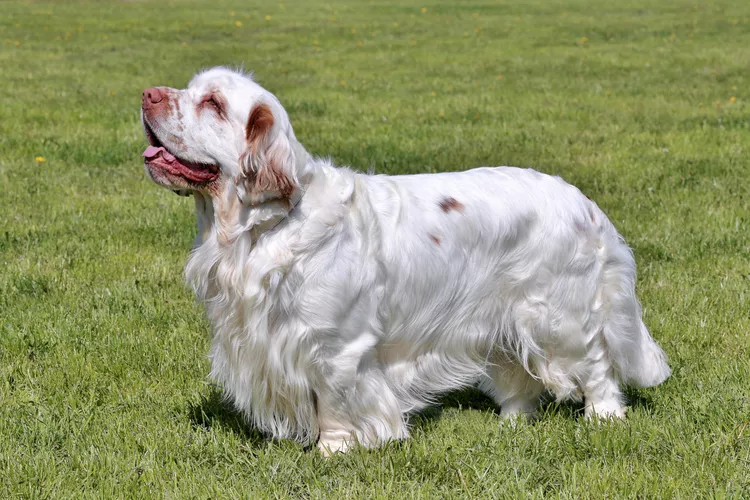
Clumber Spaniel: Dog Breed Characteristics & Care
The Clumber spaniel is a friendly, calm dog and a great family pet who gets along with kids. Just beware of this rare breed's shedding and drool.
Reasons Why Dogs Grind Their Teeth
Some dogs grind their teeth. Learn why dogs grind their teeth and if it can be harmful. Find out what to do about teeth grinding in dogs.
Therapy Dog Certification: A Complete Guide in 6 Steps
Could your dog be trained to serve as a therapy dog? Here's how you and your dog can become an official animal-assisted therapy team.
Here’s How to Stop Your Dog from Jumping on You When Excited
Although it can be cute the first few times your dog jumps on you, it can quickly turn into a bad habit, especially if your pooch starts jumping on strangers. Here’s how to stop your dog from jumping on you when excited.
Why Do Dogs Howl at Sirens?
Howling at sirens is something that dogs are well known for, but why do some dogs do it while others seem unbothered?
How to Train a Labrador Retriever
Proper training is an essential part of owning a Labrador retriever. These smart dogs can be trained to be service dogs, hunters, and excellent companions.



:strip_icc():format(webp)/SiberianCatGettyJeanMichelSegaudEyeEm-48078e579913406a9303e5d954084d15.jpg)
:strip_icc():format(webp)/GettyImages-610702610-23e93d30d03849a990d7a513b6b6c328.jpg)