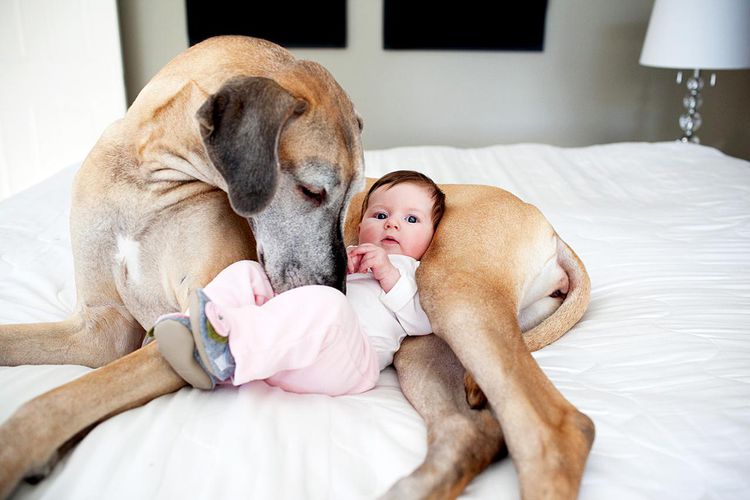
Welcoming a new baby into the family is exciting. It can also be stressful, especially if you already have a dog. Hopefully, you've spent the last few months preparing the dog for the baby's arrival. Even if you haven't thought of it before now, there are several things you can do to make the introduction between your dog and newborn go smoothly. None of these techniques are hard, but do be patient and consistent with your dog.
After your baby is born, but before bringing your new family member home from the hospital, bring home a blanket or article of clothing the baby has been wrapped in. Allow your dog to sniff and explore the blanket at its own pace. By the time you bring your newborn home, your dog should be somewhat familiar with the baby's scent.
Chances are your dog is going to be very excited when its female owner walks through the door with the new baby. Aside from the new bundle of unfamiliar smells and sounds, your pup probably hasn't seen "mom" for at least a day or so. The dog is bound to be excited when you walk through the door. Try having someone get to your home before you get there. Have them take the dog out for a long walk or playtime so it can burn off some excess energy. Wait until you and baby are settled comfortably before you bring your dog in to welcome the new arrival.
Before bringing the dog into the same room as the baby, allow the dog to have some time to say hello to the new mother first. If the new mom walks in holding the baby, an excited dog may jump up to say hello. The first reaction may be to scold the dog for fear of harming the newborn. This can start the introductions off on the wrong foot. Instead, allow your dog to greet you before bringing the baby into the mix.
For the initial meeting between the dog and baby, one person should hold the baby while the other has control of the dog. Keep the dog on the leash while you bring it over to say hello. Don't force the dog to approach the baby, but be sure to give the pup lots of praise and encouragement for approaching calmly. If it gets too excited and pulls on the leash to rush to the baby, the person holding the dog should back up and start again. Take a few slow steps at a time and reward when the dog goes slowly and remains calm.
Instead of waiting to see if your dog is going to try to jump up or greet the baby too exuberantly or with aggression, let the dog know how you expect it to behave. As your dog approaches the new baby, give it a command, such as "down" or "sit." Reward the dog with praise or treats for doing as it's told. Often, your dog just needs some direction from you to learn how to be well-behaved around an infant.
One of the reasons many dogs behave badly when a new baby is brought home is because they get stressed at all the changes taking place in the house. You can greatly reduce your dog's stress simply by sticking to its regular schedule. Try to make sure the dog gets fed and walked at the same times it always did before the baby came home. It can be tough when you're trying to juggle your dog's schedule with that of a newborn, but it will be well worth the effort when your dog and baby develop a positive relationship. Help from friends and family can make things go easier.
This point cannot be stated strongly enough. Don't put your baby and your dog in a bad position by leaving them alone together. Accidents can happen even with the most well-behaved dogs. Prevent mishaps by never leaving your baby unattended in a room with the dog.
A common mistake is to expect your dog to love your baby just as much as you do. Give your dog time. The baby (along with the visitors, new routine, etc.) is a big change for your dog. If your dog seems to be acting especially aggressive toward you or the baby, speak to your vet as soon as possible. This is an uncomfortable (and potentially dangerous) situation that you want to get sorted out quickly.
If your dog reacts too exuberantly when it's first introduced to the new baby, try to resist the temptation to scold the pup or to give it a leash correction. You don't want your dog to associate the baby with anything negative. Instead, use some treats to lure the dog away from the baby, give the dog some attention and some time to calm down, and then bring it back to try again.
Keep some tasty treats on hand for the first few days or so after bringing the baby home. Try to remember to give your dog some treats and praise any time it is remaining calm and well-behaved when the baby is nearby. This will teach your dog that having the baby around means good things happen.

What to Do if Your Cat Is Snoring
Cat snoring can happen for several reasons. Find out if your cat's snoring is normal or caused by a medical issue. Know when to call the vet about your cat snoring.
Turkish Angora: Cat Breed Profile, Characteristics & Care
The elegant and silky Turkish Angora cat is a playful, affectionate, and sometimes mischievous pet. Learn about the Turkish Angora breed.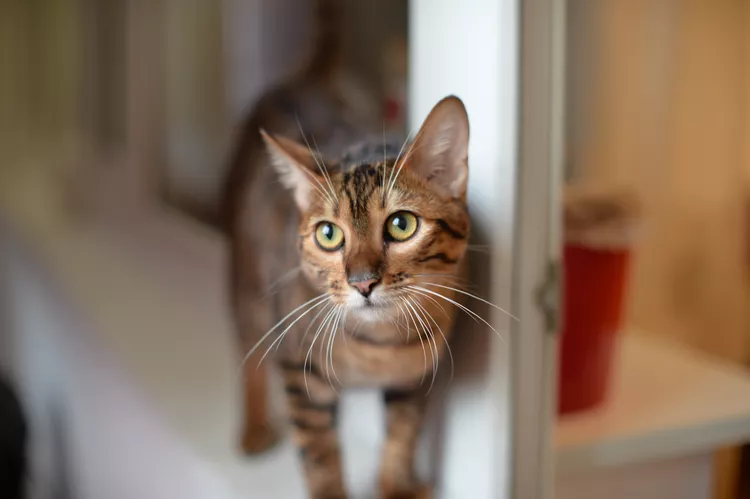
Toyger: Cat Breed Profile, Characteristics & Care
The toyger (toy tiger) cat is a beautiful, rare breed with an easygoing demeanor. These cats are hard to come by but make excellent pets.
Donskoy: Cat Breed Profile, Characteristics & Care
Donsky cat, or Don Sphynx, is a hairless cat that's known for being affectionate, social, and remarkably intelligent. Learn more about the Donsky cat breed.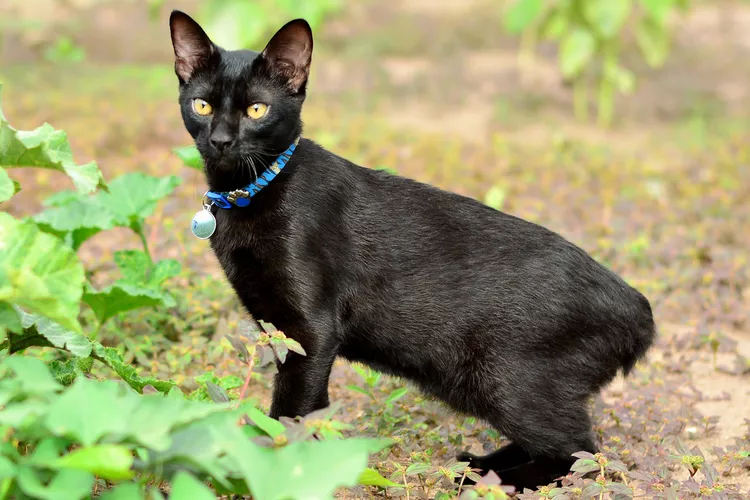
Japanese Bobtail: Cat Breed Profile, Characteristics & Care
The Japanese bobtail is recognized for its bunny-like tail and is loved for its friendly, playful personality. Learn about the Japanese bobtail breed.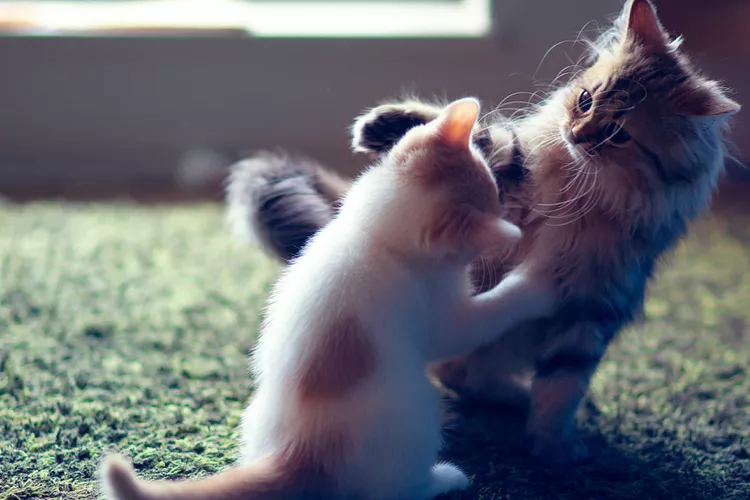
How to Stop Cat Aggression After a Vet Visit
Cats are usually out of sorts and ornery after a trip to the veterinarian. Learn how to stop cat aggression by planning ahead with these tips.
Why Do Cats Like High Places?
Does your cat like to hang out on top of tall furniture? Here's why cats like high places.
Rectal Prolapse in Dogs
Rectal prolapse in a dog can be an alarming thing to see. Find out why this happens, how to prevent it, and how to heal dog prolapse at home.
Is Acetaminophen Safe for Dogs?
Acetaminophen is used by humans for pain and fever relief, but is it safe for dogs? Here's what you need to know before giving your dog acetaminophen.
Dog Broken Toe: Signs and Treatment
Dogs can break their toes for several reasons. Find out how to tell if your dog has a broken toe. Learn what you need to do and what restrictions your dog may have to let a broken toe heal.
Tetanus in Dogs
Tetanus is an infection caused by bacteria found in soil. It can cause severe symptoms in dogs and even lead to death if not treated promptly.
Swedish Vallhund: Dog Breed Characteristics & Care
The Swedish vallhund makes for a high-energy and affectionate companion. Learn about the breed's history, health, exercise needs, and more.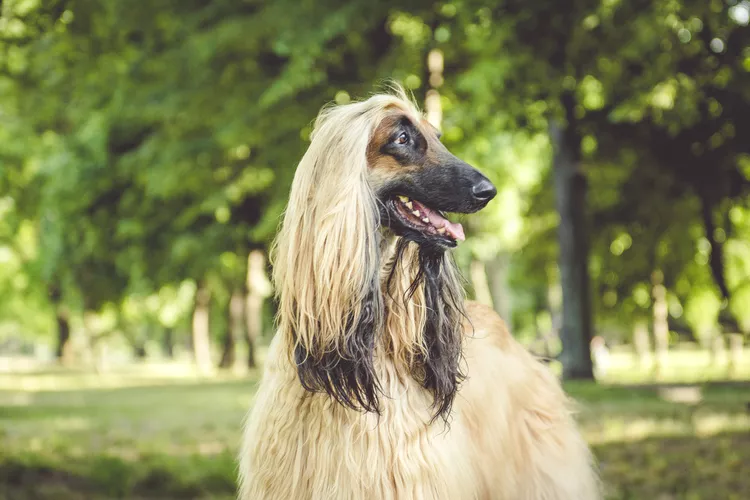
Afghan Hound: Dog Breed Characteristics & Care
The Afghan hound is a majestic dog breed, known for its luxurious long coat and sweet personality. Learn about cost, care, and training needs.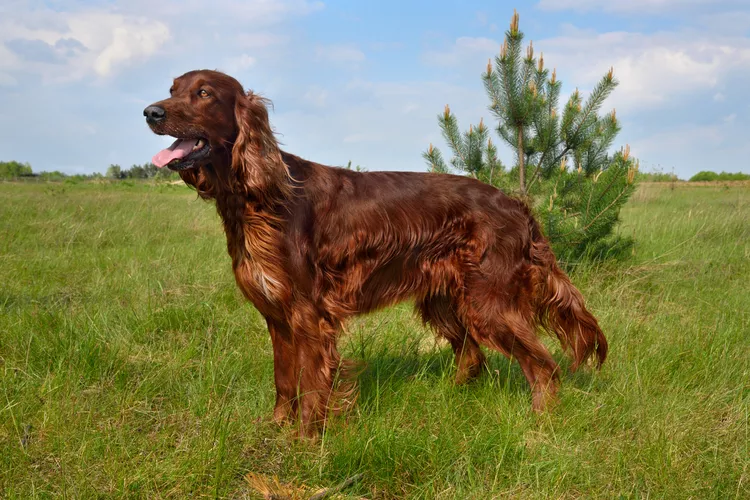
Irish Setter (Red Setter): Dog Breed Characteristics & Care
The Irish setter, also known as the red setter, stands out from the crowd with their striking red coat and athletic nature. Learn about this gentle and affectionate dog breed.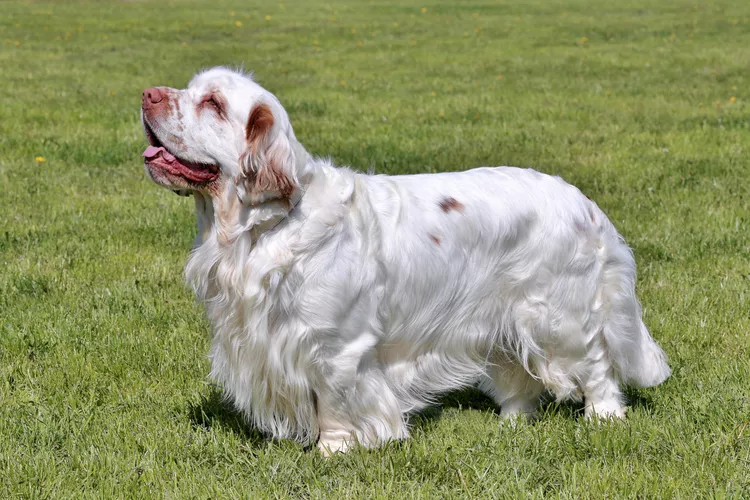
Clumber Spaniel: Dog Breed Characteristics & Care
The Clumber spaniel is a friendly, calm dog and a great family pet who gets along with kids. Just beware of this rare breed's shedding and drool.
Reasons Why Dogs Grind Their Teeth
Some dogs grind their teeth. Learn why dogs grind their teeth and if it can be harmful. Find out what to do about teeth grinding in dogs.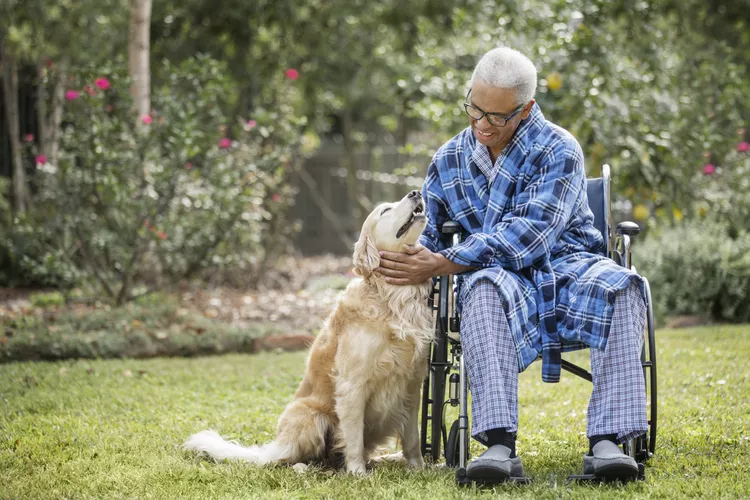
Therapy Dog Certification: A Complete Guide in 6 Steps
Could your dog be trained to serve as a therapy dog? Here's how you and your dog can become an official animal-assisted therapy team.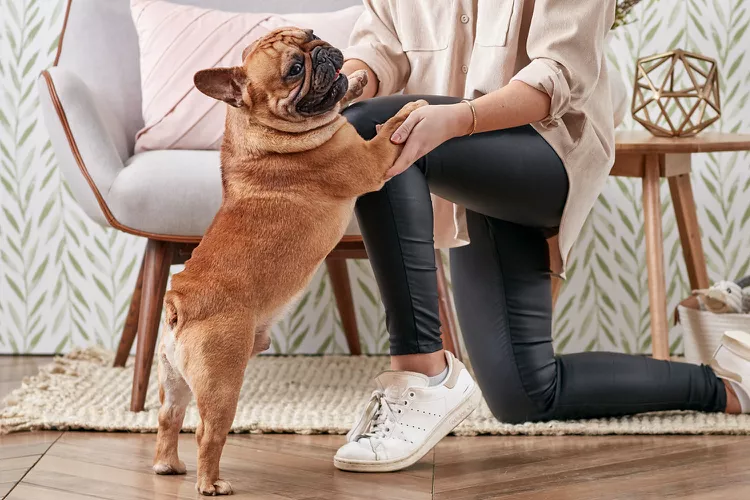
Here’s How to Stop Your Dog from Jumping on You When Excited
Although it can be cute the first few times your dog jumps on you, it can quickly turn into a bad habit, especially if your pooch starts jumping on strangers. Here’s how to stop your dog from jumping on you when excited.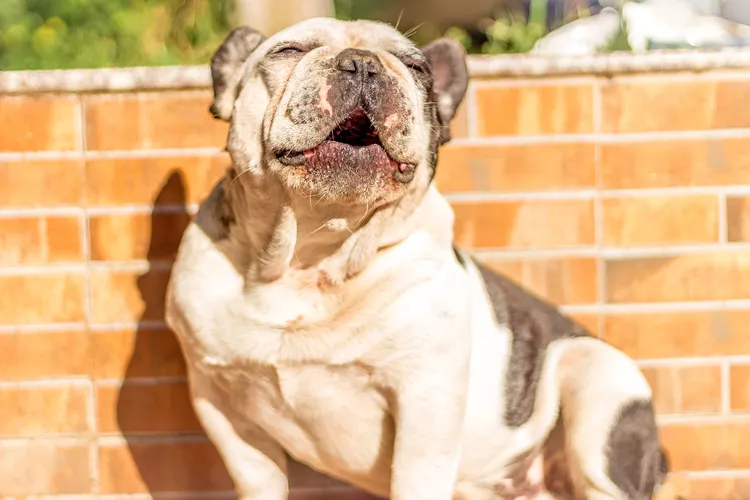
Why Do Dogs Howl at Sirens?
Howling at sirens is something that dogs are well known for, but why do some dogs do it while others seem unbothered?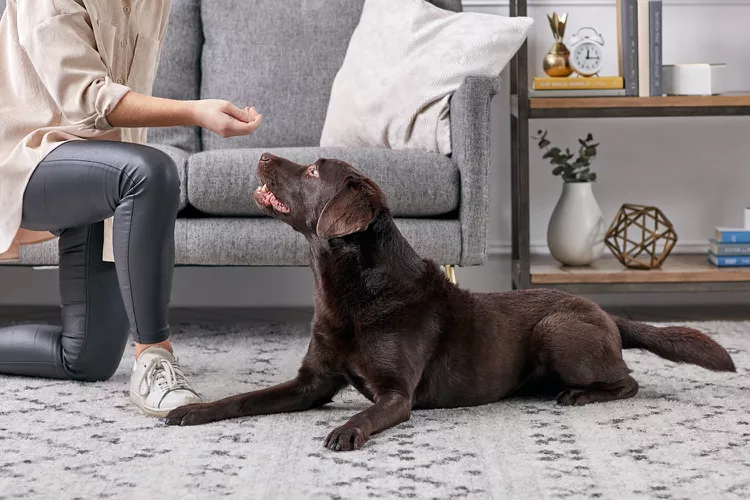
How to Train a Labrador Retriever
Proper training is an essential part of owning a Labrador retriever. These smart dogs can be trained to be service dogs, hunters, and excellent companions.